Greensboro sits at a conference point of Piedmont clay, summer humidity, and mild winter seasons. That mix can make landscaping feel like a puzzle, particularly if you're tired of hauling hose pipes or replacing plants that appeared perfect on the tag however struggled when the very first July heat wave rolled in. Native plants alter that formula. They progressed in this climate and soil profile, so they anchor a backyard with less inputs while supporting the wildlife that really lives here. The challenge is picking species and cultivars that fit your website, then arranging them so the garden looks intentional rather than accidental.
I've planted, moved, and in some cases mourned more Greensboro plants than I wish to confess. Over time, a handful of natives have actually shown stubbornly dependable, even through unusual weather condition swings. What follows blends practical experience with region-appropriate botany, focused on house owners and pros thinking thoroughly about landscaping Greensboro NC residential or commercial properties for long-lasting charm and resilience.
Understanding Greensboro's Growing Conditions
Before identifying plants, it assists to know what the ground and sky will throw at them. Greensboro sits around USDA Zone 7b, typically bouncing from the mid-teens in winter season to many days above 90 degrees in late summertime. Rainfall averages roughly 40 to 45 inches each year, but it doesn't appear on schedule. You can get a soggy April, then six weeks of stingy showers by August. Soil is generally Piedmont red clay, acidic and thick, with hardpan layers that hold water after heavy rain and then bake solid in heat.
You can deal with clay or combat it. Amending every cubic foot is costly and fleeting. I favor picking locals that tolerate or perhaps like clay, then loosening the planting hole broader than deep, including organic matter without producing a "tub," and mulching with leaf mold or pine fines. Over the first year, roots knit into the native soil and the plant toughens up. That very first year is when most failures take place, especially for plants that require even moisture while they settle.
Sun direct exposure is the other crucial variable. Lots of Piedmont locals grow completely sun, however numerous are woodland-edge types that choose early morning sun and afternoon shade. If you match exposure correctly, a plant that struggled in one part of the backyard can prosper simply 20 feet away.
Trees That Earn Their Keep
A good landscape starts with its bones. Trees give scale, shade, and structure to the rest of the planting. Greensboro backyards differ in size, so I'll share choices for both stretching and modest lots.
The southern red oak is a trusted shade tree on upland websites. It tolerates dry clay when established, grows at a moderate rate, and keeps a handsome silhouette that reads like a fully grown Piedmont landscape rather than a mall car park. For smaller backyards, American hornbeam, sometimes called musclewood, takes pruning well and supplies an elegant, layered type that looks great near patios and sidewalks. It chooses constant wetness, so plant it where downspouts or a slight swale keep the soil from drying to brick.
If you want spring drama and wildlife value, eastern redbud never disappoints. In Greensboro's climate, redbud flowers early, before a lot of shrubs leaf out, and the heart-shaped foliage makes a tidy backdrop for summer season perennials. Provide it excellent drainage, specifically when young, to avoid canker issues. Serviceberry is another multi-season entertainer. You get white flowers, edible fruit that birds devour, and fall color that shines. I prefer multi-stem serviceberries in a yard setting or at the edge of a woodland garden, where their structure feels natural.
Long-lived locals like white oak and overload white oak deserve an area when area enables. They support hundreds of caterpillar types, which in turn feed songbirds throughout nesting season. I have actually seen chickadees strip an oak sapling of tent caterpillars in a single early morning. That sort of eco-friendly interaction doesn't happen with a lot of unique ornamentals. If your lawn is vulnerable to regular moisture, swamp white oak deals with that much better than white oak.

For smaller decorative trees, fringe tree is a Piedmont gem. It tolerates clay, tosses plumes of fragrant white flowers in late spring, and stays within 12 to 20 feet. Put it where you go by daily, so the bloom does not get lost behind taller trees.
Shrubs That Work With Greensboro Clay
Shrubs bring much of the visual weight in structure plantings, and natives can anchor those locations without constant shearing. Inkberry holly, particularly the more compact cultivars, stands in for boxwood. It tolerates damp feet better than boxwood, resists deer pressure compared to lots of non-natives, and looks clean with simply a light touch of pruning. Plant three feet off your house to offer space for air flow and growth, not eighteen inches as numerous builder beds do.
Oakleaf hydrangea shines in part shade. It shakes off heat if mulched and watered through the first summer season. The leaves are architectural, the cones of flowers age from white to pink to parchment, and bark exfoliates in winter season. Be sensible about size. A pleased oakleaf hydrangea can strike 8 feet. If that's too big, tuck it at the corner of the house and let it anchor the shift from formal structure to looser side yard.
For sun with dry spells, Virginia sweetspire and New Jersey tea fill gaps without looking picky. Sweetspire manages wet spring soils and dry late-summer conditions, then turns burgundy in fall. New Jersey tea has deep roots, fixes nitrogen, and makes a cool mound in bad soil. Both draw in pollinators in late spring. I frequently use them to shift from a lawn edge into a meadow-style planting.
Buttonbush belongs near water, but not necessarily in it. Along a yard creek, stormwater swale, or the low corner that never rather dries, buttonbush grows. The round flower clusters draw butterflies and bees, and in winter the seed heads hold interest. Provide it room to grow into a natural shape rather than hedging it into submission.
For evergreen structure in shade, look at American holly or yaupon holly. Yaupon is specifically versatile in Greensboro, enduring pruning into hedges for privacy while feeding birds with its berries. Female plants fruit, so strategy appropriately. A blended holly screen with a couple of deciduous shrubs woven in will look more natural than a straight line of clones.
Perennials That Do not Flinch in Summer
Summer separates the talkers from the doers. Perennials that look excellent in April in some cases collapse in August, particularly in compressed clay. Native perennials that progressed in Piedmont conditions hold their own if you match them to website and provide a year to root.
Purple coneflower adapts well if you prevent continuous irrigation. In richer soil, it can tumble, so plant it with buddies that provide light support, like little bluestem or mountain mint. I have actually found that coneflower reseeds nicely in Greensboro when offered open mulch or gravel pockets, however it rarely becomes a nuisance if you deadhead half the invested flowers and leave the rest for goldfinches.
Black-eyed Susan is a workhorse for fast color, specifically in the 2nd year after planting. It fills spaces while slower locals develop. Let it wander a bit, then edit clumps in late winter season. If your yard leans formal, utilize it as a block of color behind more restrained foreground plants instead of peppering it everywhere.
Bee balm brings in hummingbirds and looks finest when it has good morning air flow. In Greensboro's humidity, grainy mildew can appear by late summer season. Plant in drift, cut down by a 3rd in late May to stagger bloom and minimize mildew pressure, and pair it with taller turfs that mask fading stems.
Goldenrods deserve a much better track record. The rough goldenrod types can be aggressive, but a number of Piedmont-friendly types, like snazzy goldenrod and blue-stemmed goldenrod, act well. They bring a border through the late season when lots of plants fade. Contrary to myth, goldenrod does not cause hay fever; ragweed, which blooms at the same time, is the culprit.
If you want a seasonal that doubles as disintegration control on a slope, consider little bluestem. It handles heat, roots deeply, and colors to copper in fall. Greensboro clay makes it much shorter https://telegra.ph/Seasonal-Lawn-Care-Guide-for-Greensboro-NC-Locals-01-16 and sturdier, which is a perk in windy areas. For wetter spots, switchgrass forms a vertical accent that doesn't sprawl, and the seed heads capture low sun perfectly in October.
Mountain mint belongs in every Piedmont pollinator planting. It's not flashy, however the silver bracts radiance and the plant hums with life. Offer it room and be prepared to modify, due to the fact that it can take a trip by rhizomes. I like it at the back of a border where a slight spread just thickens the picture.
Groundcovers That Beat Mulch
Mulch is a tool, not a landscape. Once your shrubs and perennials settle, groundcovers knit the bed together, suppress weeds, and buffer soil temperature level. In Greensboro, I return to 3 native choices that really do the job instead of pretending to.
Green-and-gold endures light foot traffic and part shade. It's one of the few groundcovers that can handle clay without sulking. Plant plugs on a one-foot grid, water through the first season, and view it form an intense carpet by year 2. Near trees where roots keep the topsoil dry, Christmas fern and other native ferns can fill the area. Christmas fern remains evergreen in numerous winter seasons here and looks fresh after a quick cleanup each spring.
For warm slopes that bake, orange butterfly weed is a groundcover in spirit, though not in type. If you interplant it with little bluestem and black-eyed Susan, you wind up with a living tapestry that closes the soil surface by the 2nd year. Butterfly weed prefers not to be moved, so place it where it can mature.
Wildflowers and Meadows in Suburban Scale
Meadows get glamorized, then mishandled. A true meadow in Greensboro takes persistence and useful maintenance. The first 2 years will be weeding and selective cutting more than Instagram. If you desire the look without the headache, create a meadow-inspired border, 8 to twelve feet deep, and frame it with a mown edge and a few clipped evergreens. That easy relocation reads as intentional.
Start with a matrix lawn like little bluestem or a short, clumping switchgrass choice. Then thread in perennials that flower from April through October. Spring begins with golden Alexander and Eastern columbine, summertime strikes with coneflower, black-eyed Susan, and coreopsis, and fall peaks with asters and goldenrods. Usage plugs instead of seed for many front-yard scenarios. Seeding is more affordable, however it magnifies weeds in the first season and can activate HOA concerns. Plugs offer you a running start and clearer spacing.
I avoid planting aggressive natives like Canada goldenrod in small suburban meadows. They win too quickly and crowd out variety. The goal is a blend that progresses, not a takeover by the strongest plant.
Piedmont Pollinator Corridors, Even on Small Lots
Greensboro backyards can contribute in regional ecology. You do not need acreage, but you do need constant blossom and host plants. Milkweed feeds monarch caterpillars, however it's one piece of a bigger menu. Oaks feed caterpillars that feed birds. Mountain mint, beebalm, and asters feed adult pollinators throughout the season. If you can use nectar from early spring redbud through late fall aster, you'll see more life in the garden within a year.
Water matters too. A shallow birdbath revitalized every couple of days, or a saucer with pebbles for bees, makes a difference in August when heat spikes. Set it where you see it from within, so you notice when it needs a rinse.
Deer, Rabbits, and Other Realities
Urban wildlife comes with compromises. Greensboro neighborhoods differ widely in deer pressure. In heavy browse areas, a brand-new planting can be nipped to stubble in a night. Select less palatable natives where possible, then protect the rest for the very first season. I've had good outcomes with a momentary ring of wire fencing around young shrubs. By the second or 3rd year, lots of plants are high or woody enough to stand up to occasional browsing.
Rabbits prefer tender seedlings, especially coneflower and phlox. Start with larger plugs or quart pots for those types, and mulch gently, not deeply, to prevent developing a relaxing rabbit buffet line. Voles can be a problem in thick mulch over clay. Keeping mulch to two inches and utilizing a mineral mulch like gravel near the crowns of xeric perennials reduces vole damage.
Watering, Mulch, and First-Year Care
The old suggestions holds: first year they sleep, second year they sneak, third year they leap. Greensboro's summer heat makes that first year the make-or-break stage. Water deeply, not daily. Aim for an inch per week in the lack of rain. A slow hose pipe trickle for 20 to thirty minutes at each plant beats a fast spray. If you planted in spring, pay unique attention from mid-June through mid-September.
As for mulch, avoid thick mountains of shredded wood. Two inches of leaf mold or pine fines is much better for soil health. Around drought-tolerant perennials, a thin layer of gravel can be even better, reducing weeds without trapping too much wetness versus the crown. Never ever stack mulch versus trunks. That invitation to rot and voles has actually ruined numerous a nice planting.
Soil Preparation Without Overdoing It
It's appealing to repair clay with heavy amendment. Overamending specific holes produces a pot in the ground, where water collects and roots circle. In Greensboro, the much better path is broad-scale improvement with organic matter. Top-dress beds with garden compost in fall, let winter season rains carry it in, and let soil life do the mixing. When you do dig a hole, go larger than deep, break the sidewalls with a shovel, and plant slightly high, with the root flare visible. That a person information prevents more failures than any fertilizer.
Seasonal Rhythm and Maintenance
Native-focused landscapes are not maintenance-free. They are maintenance-smart. Tasks shift with the seasons and end up being lighter as plants establish.
- Early spring: Cut back lawns and perennials, but leave stems with pith for native bees till temperature levels regularly struck the 50s. Edit seedlings where they're crowding courses. Scratch in a light top-dress of compost. Early summer: Shear back beebalm or high asters by a 3rd if you want stronger plants. Spot-weed, particularly intrusive seedlings like privet and lespedeza. Examine irrigation emitters if you utilize drip. Late summer season: Water deeply during heat waves, deadhead selectively, and stake just what needs to be upright. Hard love produces tougher plants next year. Fall: Plant trees and shrubs. This is Greensboro's best planting window due to the fact that roots keep growing in moderate soil. Plant meadow locations now if you're using seed. Leave some invested flower heads for birds. Winter: Prune structure on shrubs and small trees, preventing spring bloomers till after they flower. Stroll the garden after heavy rains to spot drainage issues early.
Pairings and Design Moves That Check Out Clean
Natives can look wild if you scatter them. The trick is repeating and contrast. Repeat a few structural plants to create rhythm, then thread seasonal color through them. Little bluestem duplicated every 5 to six feet gives a steady vertical texture. In front of that, drift coneflower in threes and fives, and flank the group with mountain mint. The turfs hold the line, the perennials dance.
Near a front walk, a tidy pairing works: inkberry holly for evergreen kind, oakleaf hydrangea for seasonal style, and a skirt of green-and-gold at the base. The holly keeps the structure tidy in winter season. Hydrangea brings spring and summertime. The groundcover eliminates the need for consistent mulching, which constantly looks worn out by July.
For a sun-baked corner, plant a triangle of switchgrass, weave in butterfly weed and black-eyed Susan, and add a few stems of rattlesnake master for architectural seed heads. That mix checks out as intentional and holds up in heat with very little fuss.
Native Plant List With Notes on Site and Use
- Trees: Eastern redbud, serviceberry, fringe tree, hornbeam, southern red oak, white oak, swamp white oak, American holly, yaupon holly. Shrubs: Inkberry holly, oakleaf hydrangea, Virginia sweetspire, New Jersey tea, buttonbush, beautyberry, winterberry. Perennials and turfs: Purple coneflower, black-eyed Susan, beebalm, mountain mint, little bluestem, switchgrass, asters, goldenrods, golden Alexander, coreopsis, butterfly weed, rattlesnake master. Groundcovers and ferns: Green-and-gold, Christmas fern, wood fern, sedge species for shade.
Each of these has cultivars that fine-tune size and routine. In front-yard plantings with next-door neighbors nearby, pick compact kinds where available. For backyards with room to breathe, the straight types typically provide much better wildlife value and resilience.
Stormwater and Slope Strategies
Greensboro's quick rainstorms evaluate any landscape. Natives can do double task if you position them to catch and slow water. A shallow swale lined with switchgrass and buttonbush will soak up more water than a plain lawn dip and looks good year-round. On slopes, deep-rooted turfs like little bluestem and perennials like goldenrod stabilize soil better than annuals or sod alone. At downspouts, install a little rain garden with moisture-loving natives such as blue flag iris, soft rush, and primary flower at the center, grading out to sweetspire and inkberry at the rim where it dries faster.
If your soil holds water too long, develop a berm and swale system to move it laterally throughout more planting location. Plants deal with periodic saturation much better than constant saturation. The goal isn't to eliminate water, it's to spread it and offer soil time to absorb it.
The Human Element: Courses, Edges, and Views
Good landscaping in Greensboro NC neighborhoods appreciates how individuals move and see. Paths avoid random desire lines throughout beds. Edges sharpen a planting and inform the brain a story: this is taken care of. A crisp mown strip along a meadow border does more for viewed order than an hour of deadheading. Place taller plants so they don't block sight lines at driveways or intersections, and keep a little foreground of low groundcover or sedge near sidewalks to prevent a wall-of-plant look.
From inside the house, frame a view. If your kitchen area sink deals with the yard, put a serviceberry where its spring blossom and fall color draw your eye. If your living-room faces west, use a row of little trees like redbud or fringe tree to filter low afternoon sun, painting the space with thumbs-up in summertime and letting more light through in winter.
Common Mistakes and How to Avoid Them
The very first pitfall is impatience. Planting too largely makes the garden appearance completed in year one, then crowded by year three. Trust the fully grown sizes. The second is mixing water needs. Buttonbush will never more than happy beside butterfly weed if they share the very same irrigation schedule. Group plants by wetness preference and you'll save time and heartache.
The third risk is skimping on first-year watering. Even drought-tolerant locals require help to settle. Set a basic routine and persevere up until night temperatures drop in September. The 4th is overlooking sightlines and upkeep gain access to. Leave stepping stones or a discreet maintenance path through much deeper beds so you can weed and edit without stomping plants.
Finally, don't go after every native you see on social media. Greensboro's clay and heat reward the hard. If a plant needs gravelly, fast-draining soil and cool nights, it will not flourish here without heroic effort.
A Note on Sourcing and Ethics
Whenever possible, purchase from local or local growers that bring Piedmont ecotypes. A plant grown from seed collected in the more comprehensive Carolina area will frequently deal with local conditions much better than a clone bred for showy flowers in a remote environment. Stay away from digging plants from wild areas. It harms ecosystems and often offers you a stressed out plant that sulks in the garden. Trustworthy nurseries now bring a solid selection of natives, including straight types and thoughtfully selected cultivars.
If you need volume for a meadow or big border, plugs are affordable. For declaration shrubs and trees, buy the best quality you can afford. A well-grown 3-gallon shrub that has actually been root-pruned at the nursery is much better than a 7-gallon pot with circling roots.

Bringing Everything Together
A Greensboro landscape constructed around native plants checks out like it belongs. It weathers summer heat with fewer rescue efforts, it moves water without deteriorating, and it fills with birds and pollinators that repay your choices daily. Start with structure, pick shrubs that match your soil's damp or dry moods, then layer in perennials that keep the program running from March to November. Keep mulch lean, water clever in year one, and let plants prove themselves. Over time, you'll invest more weekends taking pleasure in the lawn than repairing it, which is the peaceful promise of great style grounded in place.
Business Name: Ramirez Landscaping & Lighting LLC
Address: Greensboro, NC
Phone: (336) 900-2727
Email: [email protected]
Hours:
Sunday: Closed
Monday: 8:00 AM–5:00 PM
Tuesday: 8:00 AM–5:00 PM
Wednesday: 8:00 AM–5:00 PM
Thursday: 8:00 AM–5:00 PM
Friday: 8:00 AM–5:00 PM
Saturday: 8:00 AM–5:00 PM
Google Maps: https://www.google.com/maps/search/?api=1&query=Google&query_place_id=ChIJ1weFau0bU4gRWAp8MF_OMCQ
Map Embed (iframe):
Social Profiles:
Facebook
Instagram
Major Listings:
Localo Profile
BBB
Angi
HomeAdvisor
BuildZoom
Ramirez Landscaping & Lighting is a Greensboro, North Carolina landscaping company providing design, installation, and ongoing property care for homes and businesses across the Triad.
Ramirez Landscaping & Lighting offers hardscapes like patios, walkways, retaining walls, and outdoor kitchens to create usable outdoor living space in Greensboro NC and nearby communities.
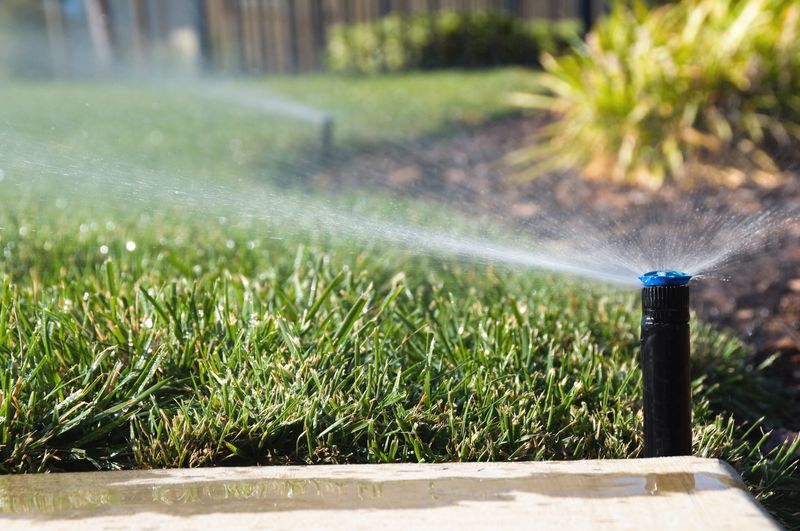
Ramirez Landscaping & Lighting provides irrigation services including sprinkler installation, repairs, and maintenance to support healthier landscapes and improved water efficiency.
Ramirez Landscaping & Lighting specializes in landscape lighting installation and design to improve curb appeal, safety, and nighttime visibility around your property.
Ramirez Landscaping & Lighting serves Greensboro, Oak Ridge, High Point, Brown Summit, Winston Salem, Stokesdale, Summerfield, Jamestown, and Burlington for landscaping projects of many sizes.
Ramirez Landscaping & Lighting can be reached at (336) 900-2727 for estimates and scheduling, and additional details are available via Google Maps.
Ramirez Landscaping & Lighting supports clients with seasonal services like yard cleanups, mulch, sod installation, lawn care, drainage solutions, and artificial turf to keep landscapes looking their best year-round.
Ramirez Landscaping & Lighting is based at 2700 Wildwood Dr, Greensboro, NC 27407-3648 and can be contacted at [email protected] for quotes and questions.
Popular Questions About Ramirez Landscaping & Lighting
What services does Ramirez Landscaping & Lighting provide in Greensboro?
Ramirez Landscaping & Lighting provides landscaping design, installation, and maintenance, plus hardscapes, irrigation services, and landscape lighting for residential and commercial properties in the Greensboro area.
Do you offer free estimates for landscaping projects?
Ramirez Landscaping & Lighting notes that free, no-obligation estimates are available, typically starting with an on-site visit to understand goals, measurements, and scope.
Which Triad areas do you serve besides Greensboro?
Ramirez Landscaping & Lighting serves Greensboro and surrounding Triad communities such as Oak Ridge, High Point, Brown Summit, Winston Salem, Stokesdale, Summerfield, Jamestown, and Burlington.
Can you help with drainage and grading problems in local clay soil?
Yes. Ramirez Landscaping & Lighting highlights solutions that may address common Greensboro-area issues like drainage, compacted soil, and erosion, often pairing grading with landscape and hardscape planning.
Do you install patios, walkways, retaining walls, and other hardscapes?
Ramirez Landscaping & Lighting offers hardscape services that commonly include patios, walkways, retaining walls, steps, and other outdoor living features based on the property’s layout and goals.
Do you handle irrigation installation and repairs?
Ramirez Landscaping & Lighting offers irrigation services that may include sprinkler or drip systems, repairs, and maintenance to help keep landscapes healthier and reduce waste.
What are your business hours?
Ramirez Landscaping & Lighting lists hours as Monday through Saturday from 8:00 AM to 5:00 PM, and closed on Sunday. For holiday or weather-related changes, it’s best to call first.
How do I contact Ramirez Landscaping & Lighting for a quote?
Call (336) 900-2727 or email [email protected]. Website: https://www.ramirezlandl.com/.
Social: Facebook and Instagram.
Ramirez Landscaping proudly serves the Greensboro, NC region with expert landscape design services for homes and businesses.
For outdoor services in Greensboro, NC, visit Ramirez Landscaping & Lighting near UNC Greensboro.